Understanding the Developmental Stages of Children
Child development is a complex process that occurs in phases, each characterized by distinct cognitive, emotional, and physical milestones. Understanding these developmental stages is crucial when selecting toys, as age-appropriate selections can support and enhance a child’s growth. The developmental phases typically include infancy, early childhood, and school age.
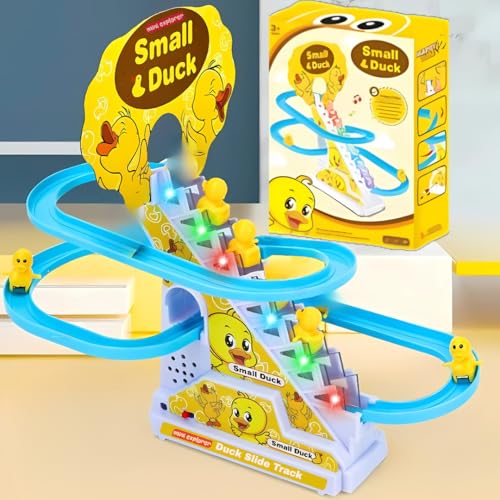
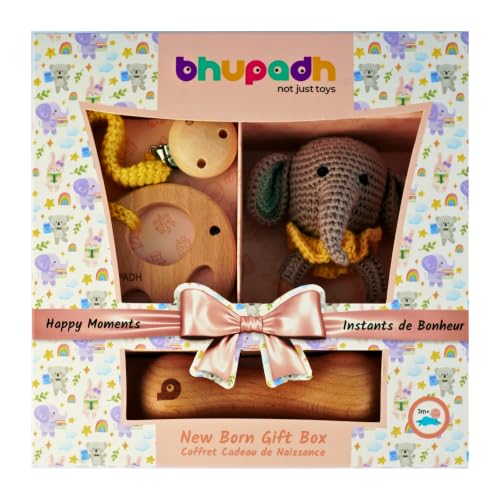
During the infancy stage, from birth to approximately 12 months, children begin to explore their environment using their senses. Toys that encourage sensory experiences, such as soft rattles or textured blocks, promote cognitive development at this stage. Furthermore, toys designed for cause-and-effect interactions, like push toys or musical instruments, can stimulate cognitive and motor skills.
As children transition into the early childhood stage, from 1 to 3 years, they develop their language and social skills, along with improved gross and fine motor abilities. At this point, appropriate toys include building sets, dolls, and art materials that foster creativity and communication. Puzzles and simple games can also help enhance problem-solving skills and encourage cooperative play, which nurtures emotional development.

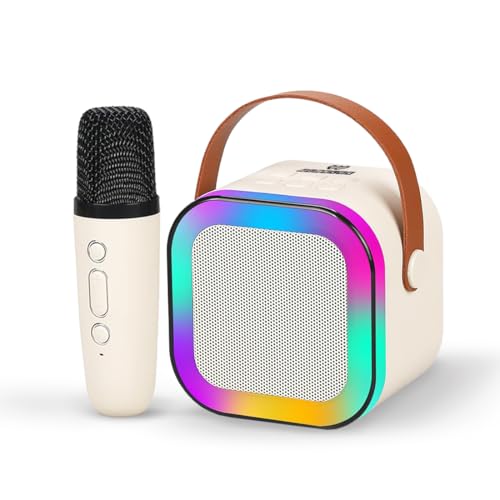

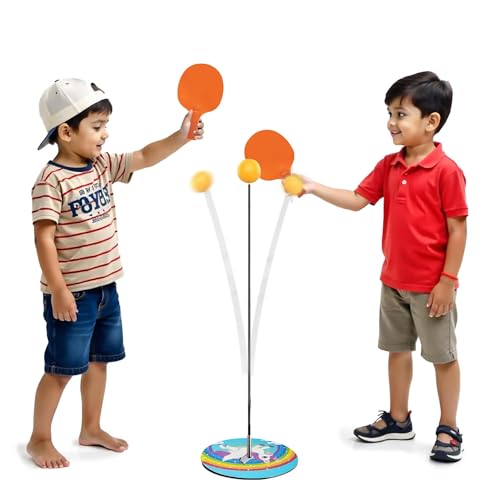
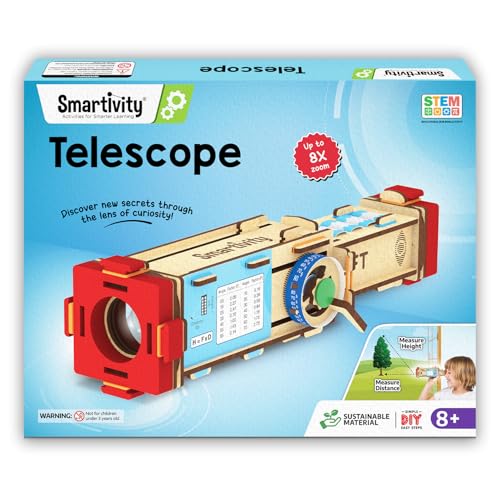
Moving into the school-age stage, which spans from 6 to 12 years, children enter a phase of more complex learning and social interactions. Toys that cater to this developmental milestone include STEM kits, board games, and sports equipment that challenge their cognitive and physical abilities. These toys not only help in reinforcing learned concepts but also provide opportunities for teamwork and leadership, essential skills for a child’s emotional growth.
In summary, recognizing the various developmental stages of children is vital for selecting the best toys that will enhance their growth. The right toys not only entertain but also support children in reaching important cognitive, emotional.
Types of Toys and Their Benefits
Toys play an essential role in children’s development, not just for entertainment but also for learning vital skills. Understanding the various types of toys available can help parents make informed decisions regarding their children’s playtime. In this section, we will explore three primary categories of toys: educational toys, creative toys, and outdoor toys, along with their specific benefits.
Educational Toys are designed to develop cognitive skills in a fun and engaging way. These toys often incorporate elements of counting, language, or problem-solving. Examples include building blocks, puzzles, and STEM kits, which encourage logical thinking and creativity. Research shows that these toys support critical thinking from an early age and foster a lifelong love for learning.
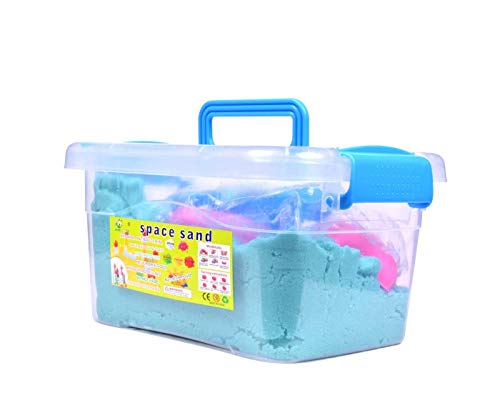
Creative Toys inspire children to express themselves and think outside the box. Items such as art supplies, musical instruments, and crafting kits allow children to explore their imagination and develop fine motor skills. Engaging in artistic endeavors helps children become more adept at problem-solving and innovation, vital skills in today’s ever-changing world.
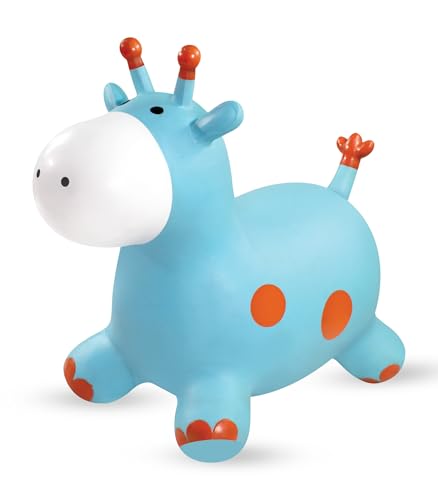
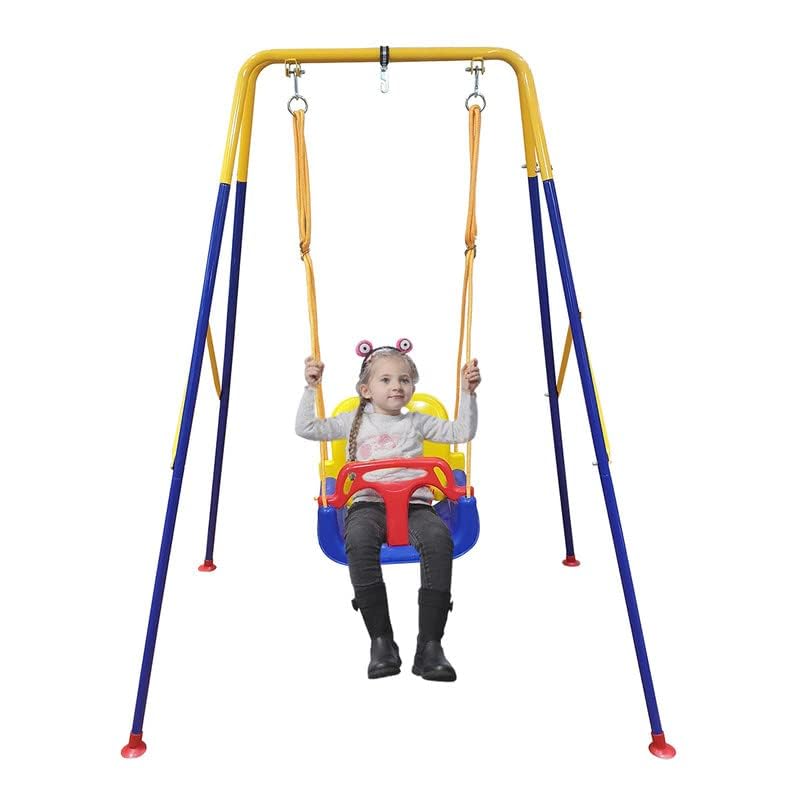
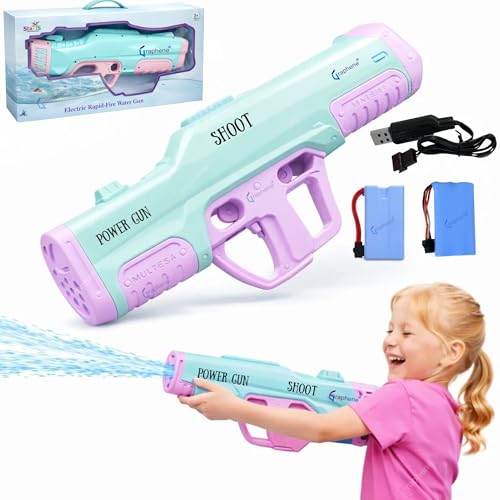
The third category, Outdoor Toys, promotes physical activity and social interaction. Toys like bicycles, sports equipment, and playground structures encourage children to engage in physical play, which is crucial for their physical health and social skills. Outdoor play is also linked to improved mood and mental well-being, helping children build friendships while enhancing their motor skills.
In conclusion, the diversity of toys available today offers something for every child, promoting holistic development through play. By selecting the right educational, creative, or outdoor toys, parents can significantly enhance their children’s learning experiences and contribute to their overall growth and happiness.


Safety Considerations When Choosing Toys
When selecting toys for children, safety is of paramount importance. The market offers a vast array of options, but not all toys are created equally. Parents should familiarize themselves with safety standards, such as ASTM F963 and EN71, which govern toy safety in the United States and Europe, respectively. These regulations ensure that toys are tested for hazards such as choking risks, toxic materials, and sharp edges.
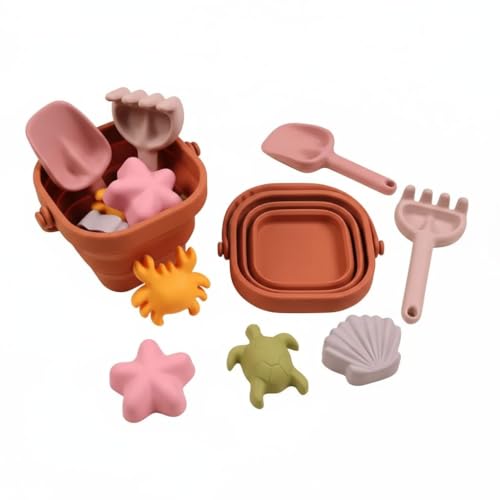
One of the most critical factors to consider when choosing safe toys is the material quality. Toys made from non-toxic materials are preferable; parents should look for those that specify compliance with safety standards, avoiding items containing harmful chemicals like phthalates or lead. Additionally, it is crucial to pay attention to the age recommendations provided by manufacturers. Toys designed for older children may contain small parts that pose choking hazards for younger ones.
Supervision during playtime is equally essential. No matter how safe a toy may be, active supervision can prevent accidents and enable parents to monitor their child’s interactions with the toy. This is particularly important for younger children, who are naturally curious and may test the toy in unsafe ways. Furthermore, regular maintenance of toys is also a key safety consideration. Inspect toys frequently for wear and tear to ensure they remain safe for use; damaged toys should be discarded to avoid potential hazards.
Ultimately, a toy’s design should also facilitate safe play. Avoid toys with cords or strings that can entangle young children, and prefer those with rounded edges to minimize injury risk. By being diligent in considering these factors, parents can create a safe play environment that fosters creativity and enjoyment while minimizing risks associated with toy-related accidents.
Where to Find the Best Toys for Kids
Finding the best toys for kids can be a rewarding experience that simultaneously ensures quality entertainment and developmental benefits for children. Parents have access to a variety of options, both in physical stores and through online platforms. Major retailers such as Target, Walmart, and specialized toy stores like Toys “R” Us often carry a wide selection of toys, providing convenience and the ability to see products first-hand. Furthermore, local boutique stores often offer unique toys that focus on educational value and creativity, catering specifically to children’s diverse interests.
Online shopping platforms such as Amazon, eBay, and dedicated toy websites facilitate a broader search for the best toys, allowing for price comparisons and increased convenience. Shopping online also allows parents the opportunity to read customer reviews, which can provide insights into the quality and popularity of specific items. Here, pricing should be balanced against brand reputation; reputable brands typically reflect quality and safety in their products.
When considering where to purchase toys, parents should look for discounts, seasonal sales, and special offers, which can significantly reduce costs while allowing for the purchase of high-quality items. Additionally, it is imperative to assess the age appropriateness of toys and their safety standards, as this ensures that products are suitable for children and aligns with their developmental stages.
For those focused on unique and educational options, exploring local artisan shops or websites specializing in STEM toys can yield novel finds that nurture children’s interests. Attending toy fairs or expos can also be beneficial, introducing parents to innovative toys that may not yet be available in mainstream markets. This awareness, coupled with diligent shopping practices, will enable parents to discover enriching toys that promote both fun and learning.