Understanding the Various Laptop Types
Laptops have become an essential tool in both personal and professional environments, serving a wide range of needs and preferences. The importance of portability, performance, and specialized features has led to the emergence of various types of laptops designed to cater to distinct categories of users. As technology continues to evolve, so too does the landscape of laptop offerings, providing consumers with an array of choices to suit their specific requirements.
The fast-paced digital age demands devices that are not only powerful but also portable. Whether for work, education, or entertainment, modern users seek laptops that can be easily transported without compromising performance. This need has given rise to different laptop types, such as ultrabooks, gaming laptops, convertible models, and traditional notebooks. Each of these categories addresses diverse functionalities, catering to specific tasks and user preferences.
Ultrabooks, for example, are known for their lightweight designs and long battery life, making them ideal for professionals who are frequently on the go. Conversely, gaming laptops are equipped with high-performance graphics and processors, appealing primarily to gamers who require top-tier performance for graphics-intensive applications. Meanwhile, convertible laptops offer flexibility by allowing users to switch seamlessly between laptop and tablet modes, bridging the gap between different use cases.
As we delve deeper into the specifics of each laptop category in this guide, it is important to recognize the factors driving consumer choices in a rapidly changing technological landscape. By understanding the unique features and advantages offered by each type of laptop, consumers can make informed decisions tailored to their individual needs.

Ultrabooks: The Perfect Balance of Portability and Performance
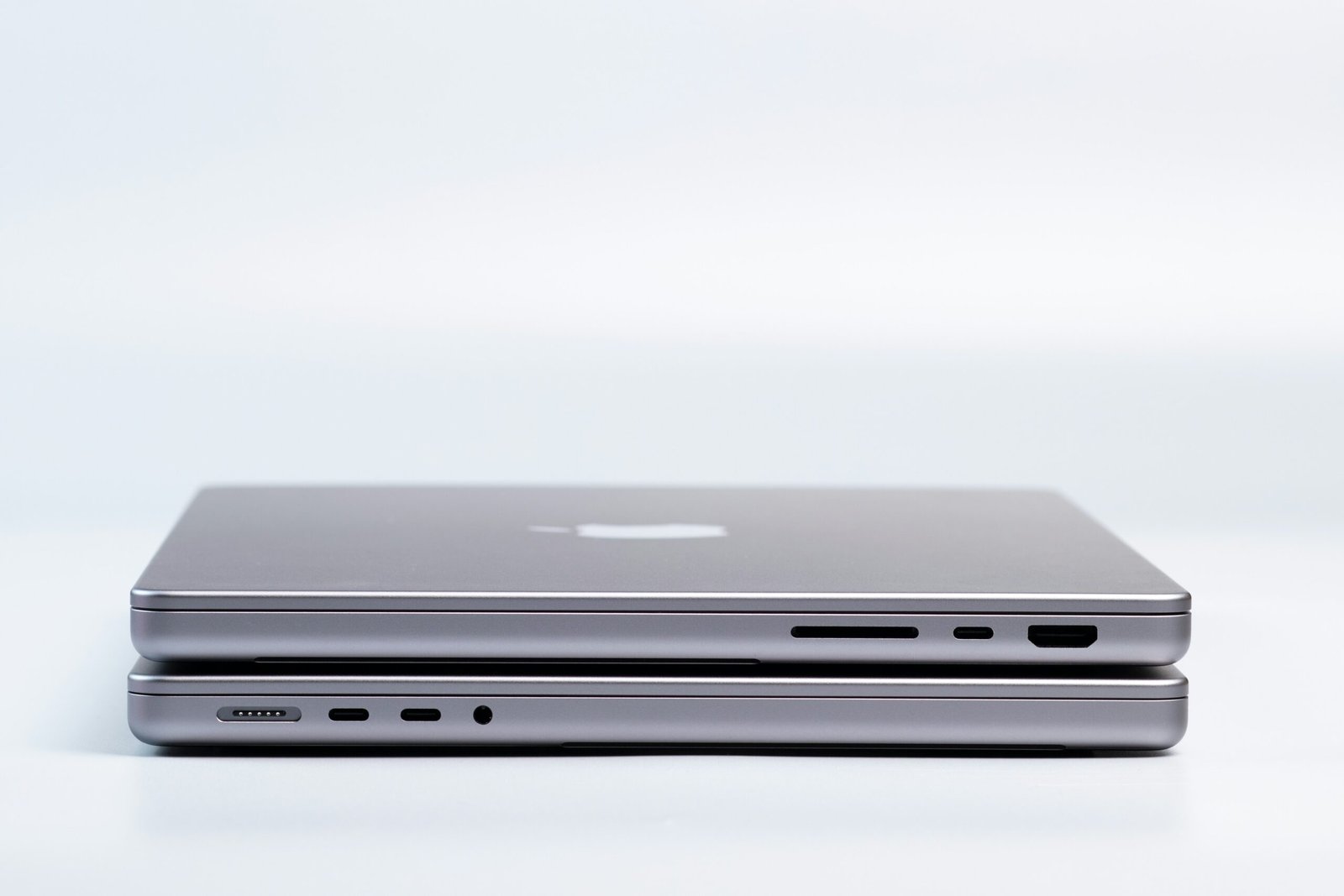
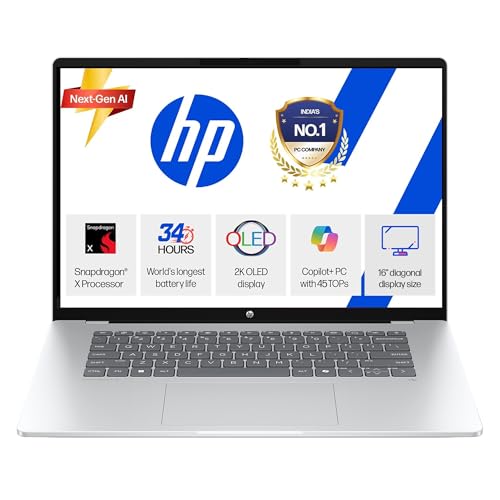
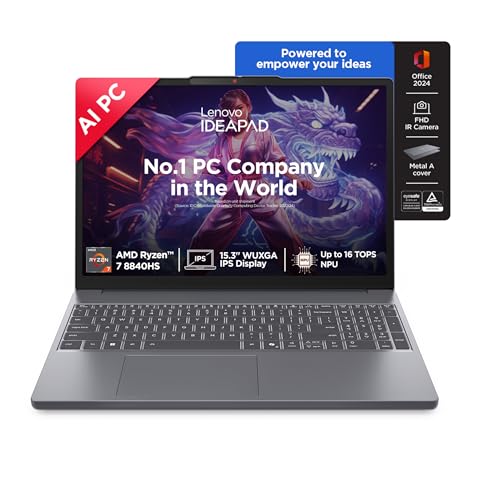
Ultrabooks represent a modern evolution in portable computing, combining sleek design with high-performance specifications. These laptops are characterized by their thin and lightweight profiles, typically measuring less than 18mm in thickness and weighing around 3 pounds or less. Designed to cater to the needs of professionals and students, ultrabooks prioritize portability without compromising on performance.
One of the defining features of ultrabooks is their use of solid-state drives (SSD) instead of traditional hard drives. SSDs offer faster boot times, quicker file access, and overall superior performance, which is essential for users who require efficiency in their daily tasks. Additionally, ultrabooks often come with high-resolution displays, enhancing the visual experience for users engaged in design, media consumption, or presentations.
Battery life is another compelling aspect of ultrabooks, with many models boasting longevity that can exceed ten hours on a single charge. This feature is particularly beneficial for business professionals who are frequently on the move, as it eliminates the constant need to search for power outlets. Moreover, ultrabooks typically include advanced wireless connectivity options, such as Wi-Fi 6 and Bluetooth 5.0, ensuring that users remain connected to their networks seamlessly.
However, ultrabooks are not without limitations. While their portability makes them appealing, the trade-off can often be found in their upgrade options and limited ports, which may not suffice for users requiring extensive external device connections. Furthermore, ultrabooks may not be the ideal choice for gaming or heavy graphical work, as their integrated graphics typically do not meet the demands of high-performance gaming.
In essence, ultrabooks are an excellent choice for those seeking a well-rounded laptop that marries portability with robust performance, particularly suitable for professionals, students, and on-the-go individuals looking for efficiency in their computing needs.


Gaming Laptops: Powerhouses for High-Performance Gaming
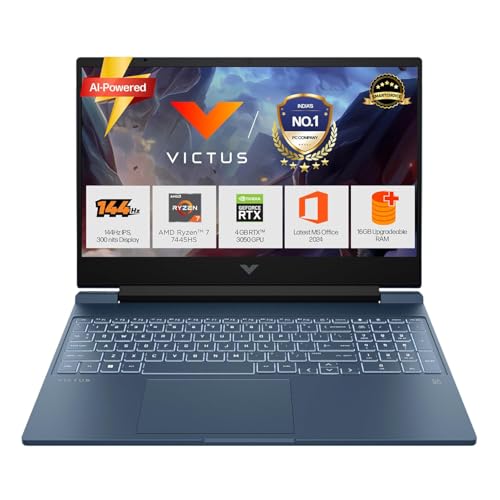
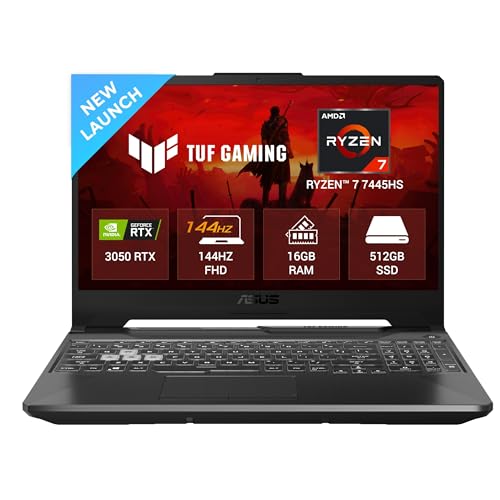
Gaming laptops have gained significant popularity in recent years due to their ability to deliver high-performance gaming experiences comparable to desktop computers. These powerhouses are specifically designed to handle intensive graphics and processing requirements associated with modern video games. A primary feature that distinguishes gaming laptops from standard models is their dedicated graphics cards. Typically, they incorporate GPUs from leading manufacturers such as NVIDIA or AMD, allowing for smoother frame rates and stunning visuals, even in high settings.
Another essential specification found in gaming laptops is the high refresh rate display. Most gaming laptops offer displays with refresh rates ranging from 120Hz to 300Hz, which significantly enhances the gaming experience by ensuring fluid gameplay and reduced motion blur. This is particularly beneficial for competitive gamers, where every millisecond counts. Also noteworthy is the response time of these displays, which has improved over the years, providing more accurate color reproduction and better responsiveness.
Moreover, the design of gaming laptops has evolved to incorporate advanced cooling technologies to prevent thermal throttling during intense gaming sessions. Many models now feature customizable cooling systems that use multiple heat pipes, fans, and even vapor chamber technology. This innovative cooling not only enhances performance but also prolongs the lifespan of the hardware components. Furthermore, aesthetics have become a crucial aspect, with RGB lighting and sleek designs appealing to both casual and hardcore gamers alike.
The target audience for gaming laptops ranges from casual players enjoying their favorite titles on the go to hardcore gamers seeking top-tier performance and immersive experiences. As technology continues to advance, gaming laptops are expected to further refine their capabilities, catering to an ever-growing community of gaming enthusiasts.
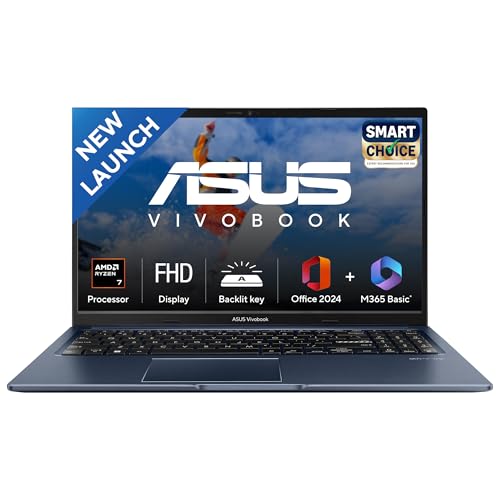
Budget Laptops: Affordable Options Without Compromise
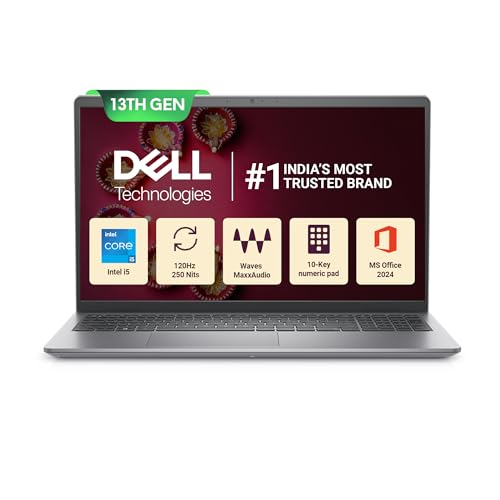
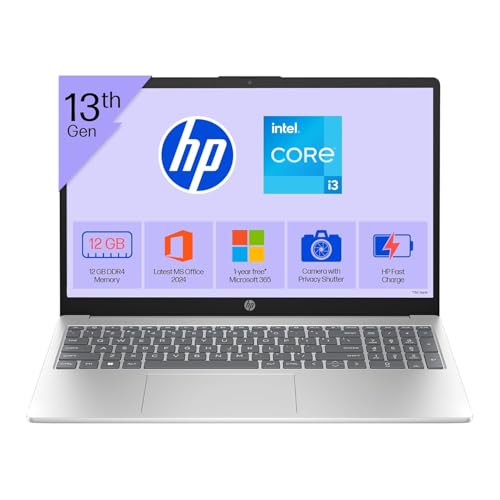
Budget laptops are designed to offer essential computing capabilities at a price point that won’t break the bank. These machines typically cater to users with basic needs, such as web browsing, word processing, and streaming video content. While the term “budget” might conjure images of lower quality, many budget laptops come equipped with features that adequately meet the expectations of everyday tasks.
When considering a budget laptop, it’s crucial to understand that trade-offs in performance are often necessary. Typically, these models may come with lower processing power, limited storage, and less advanced graphics compared to their high-end counterparts. However, advancements in technology mean that even budget laptops can handle numerous tasks seamlessly. Brands such as Acer, Lenovo, and HP offer models that often have reliable build quality and satisfactory performance for most users.
Potential buyers should focus on their specific needs before making a purchase. For instance, if a user primarily intends to use their laptop for streaming videos and browsing the web, they might prioritize a model with a decent display and strong battery life over a more powerful CPU. Additionally, those who require extra functionality should check for features such as webcam quality, keyboard comfort, and connectivity options to ensure they suit their requirements.
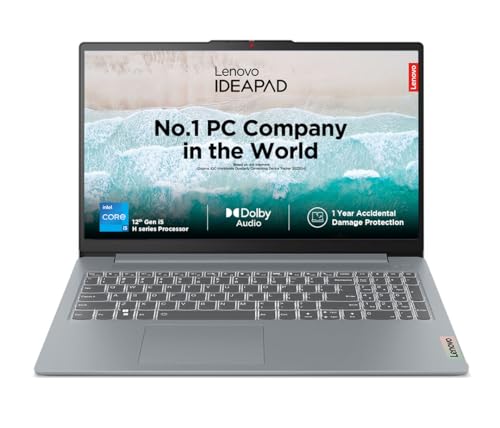
Common choices in the budget segment include devices like the Acer Aspire series and the Lenovo IdeaPad series, known for their reliability and affordability. These laptops frequently strike a balance between essential features and price, providing good options for students, professionals, and casual users alike. By carefully evaluating the specifications and understanding personal computing needs, consumers can find a budget laptop that delivers solid performance without overspending.