Introduction to Mobile Phones
The evolution of mobile phones has significantly altered the landscape of communication, shaping how we connect, work, and socialize. Initially, mobile phones were designed purely for voice communication. The first mobile devices were bulky and limited in functionality; they served primarily as an alternative to traditional landline phones. However, as technology advanced, mobile phones transformed dramatically, paving the way for one of the most influential inventions in modern life.
In the early 2000s, the introduction of smartphones marked a critical turning point in this evolution. These devices combined the features of a traditional mobile phone with those of a computer, unleashing a host of applications that enhanced user experience. This innovation allowed individuals to browse the internet, send emails, and access a myriad of multimedia options from the palm of their hand.
Today, mobile phones serve as multifunctional tools, integrating various dimensions of daily life. From social media networking to e-commerce and mobile banking, these devices have become indispensable. Advancements in technology have enabled manufacturers to prioritize features such as high-definition cameras, enhanced processing power, and superior connectivity options. Furthermore, the rise of mobile applications has facilitated a new ecosystem, where everything from entertainment to productivity is at users’ fingertips.
As we delve deeper into the different types of mobile phones available today, it becomes evident that these devices do not merely serve a singular purpose but rather cater to diverse needs and preferences. The current market offers an array of options, including budget smartphones, high-end flagships, and feature phones. Understanding these categories is essential to navigate the evolving world of mobile technology and to make informed choices based on individual requirements.


Feature Phones: The Basics of Communication
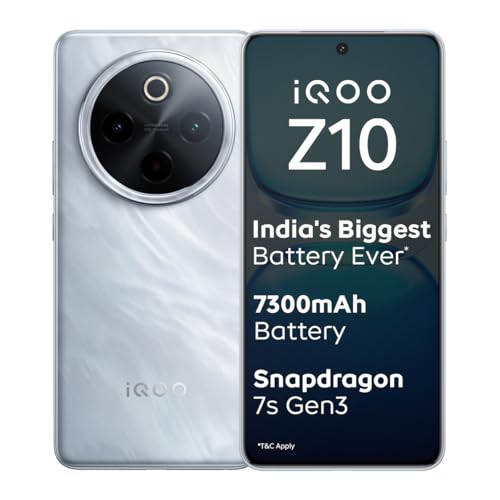
Feature phones are a category of mobile devices primarily designed for basic voice calling and text messaging. Unlike smartphones, which boast an array of advanced features and applications, feature phones focus on simple, essential functions. This makes them particularly appealing to specific demographics, including seniors and individuals in regions where access to modern technological infrastructure is limited.
One of the primary characteristics of feature phones is their user-friendly interface. The majority of these devices come equipped with a tactile keypad, facilitating straightforward navigation and reducing barriers for users who may find touchscreens challenging. Essential functionalities such as call, message, camera, and in some instances, basic internet access are included. Additionally, feature phones typically have longer battery life compared to smartphones, enabling longer periods of usage without the need for frequent charging.
Moreover, feature phones are often more affordable than their smartphone counterparts, making them an appealing option for consumers seeking budget-friendly mobile communication solutions. Their low price point enables wider accessibility in developing markets, where families may prioritize basic communication over advanced technological features.
Despite their advantages, feature phones do have limitations. These devices lack the extensive app ecosystems and capabilities for multimedia consumption, which the majority of modern smartphone users have come to expect. However, recent trends indicate a resurgence in feature phones, driven by consumers seeking digital detoxes and simplified mobile experiences. The rise in demand for these devices highlights a unique shift in market preferences, prompting manufacturers to revisit feature phone designs with upgraded functionalities while retaining essential communication features.
Smartphones: The All-in-One Device
Smartphones have revolutionized the way individuals communicate, work, and interact with the world around them. They are multifaceted devices that combine the functionalities of traditional mobile phones with advanced computing capabilities. The predominant operating systems for smartphones today are iOS and Android, each providing distinct user experiences and ecosystems. iOS, developed by Apple, is known for its sleek interface and seamless integration across Apple devices, while Android offers extensive customization options and a wider variety of devices to choose from.
Key features of smartphones include high-resolution cameras, which have become a focal point for many users. The advancements in camera technology enable smartphones to capture stunning photographs and videos, often rivaling dedicated cameras. Additionally, smartphones support a diverse array of applications that cater to various user preferences and needs, from social networking to productivity tools. The extensive app ecosystems available in both iOS and Android platforms further enhance the user experience, offering countless ways to manage daily tasks and entertain oneself.
Connectivity options also play a crucial role in the functionality of smartphones. They allow for seamless integration with wireless networks, enabling users to access the internet, stream content, and connect with other devices. The evolving standards of connectivity, such as 5G, improve data transfer speeds, making smartphones indispensable tools for both personal and professional use.
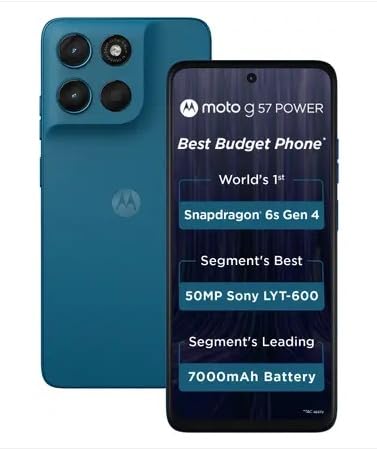
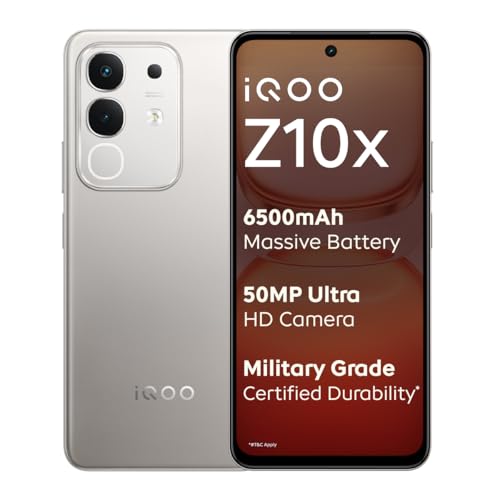
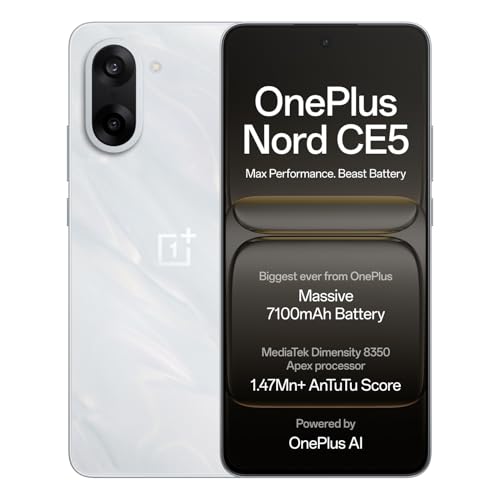
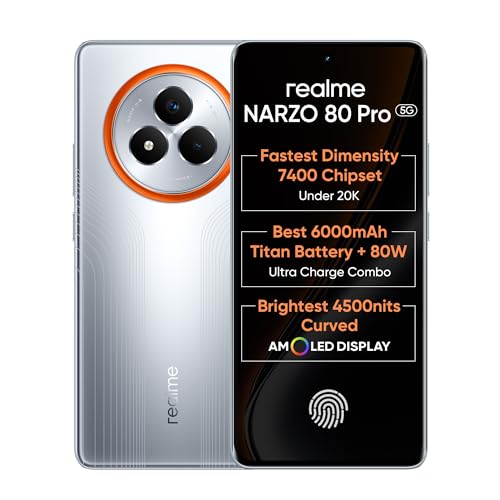
In the marketplace, smartphones can be categorized into different segments to suit varying budgets and needs. Flagship models often come with top-of-the-line specifications and premium features, targeting consumers looking for the best performance. Conversely, budget smartphones offer essential functionalities at more accessible price points, catering to users who prioritize cost-effectiveness. This diversification ensures that smartphones can cater to a wide array of lifestyle requirements.


The Rise of Specialized Phones
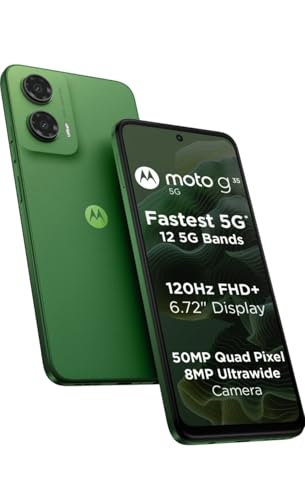
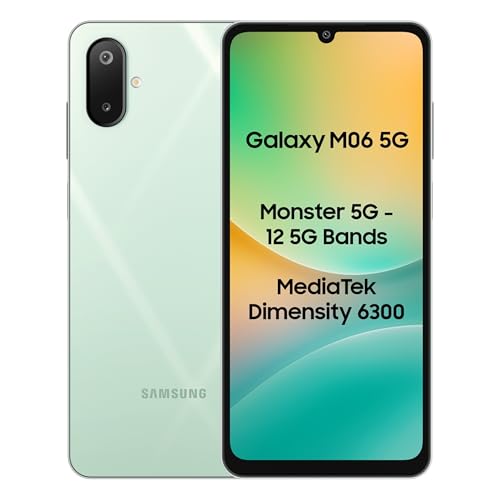
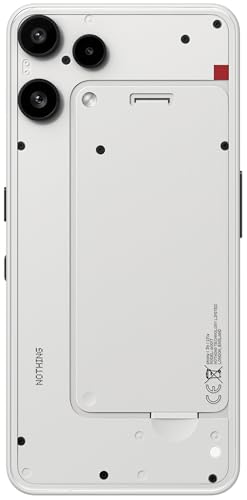
In recent years, the smartphone market has seen a significant emergence of specialized phones designed to cater to the unique needs of various user segments. These devices include gaming phones, rugged phones, and camera phones, each equipped with features that enhance their performance in specific applications.
Gaming phones, for example, are engineered with powerful processors and advanced graphics capabilities to deliver an exceptional gaming experience. These devices typically boast high refresh rate displays and enhanced cooling systems to prevent overheating during intensive gaming sessions. Furthermore, they are equipped with large batteries to ensure prolonged gameplay without interruptions, appealing to avid gamers who prioritize performance. The target audience for gaming phones includes not only dedicated gamers but also casual users looking for smartphones that can handle demanding applications and multitasking.
On the other hand, rugged phones are created for outdoor enthusiasts and professionals working in harsh environments. These devices are built to withstand extreme conditions such as extreme temperatures, dust, water submersion, and accidental drops, making them ideal for construction workers, hikers, and adventurers. Rugged phones often feature reinforced cases, scratch-resistant screens, and long-lasting battery life to ensure functionality and durability when subjected to rigorous use.
Similarly, camera phones focus on delivering superior photographic capabilities, appealing to photography enthusiasts and social media users who prioritize high-quality images. These devices often come with advanced camera systems, including multiple lenses, optical zoom, and sophisticated image processing algorithms. The target audience includes both amateur photographers and content creators who seek to capture and share high-resolution images conveniently using a single device.
Overall, the rise of specialized phones has led to a diversification in the smartphone market, providing consumers with options tailored to their individual needs. This trend signifies a shift towards a more personalized approach in the mobile phone industry, addressing specific demands efficiently.